

Cold Smoke Seal Strips Gain Importance as Building Smoke Control Standards Advance
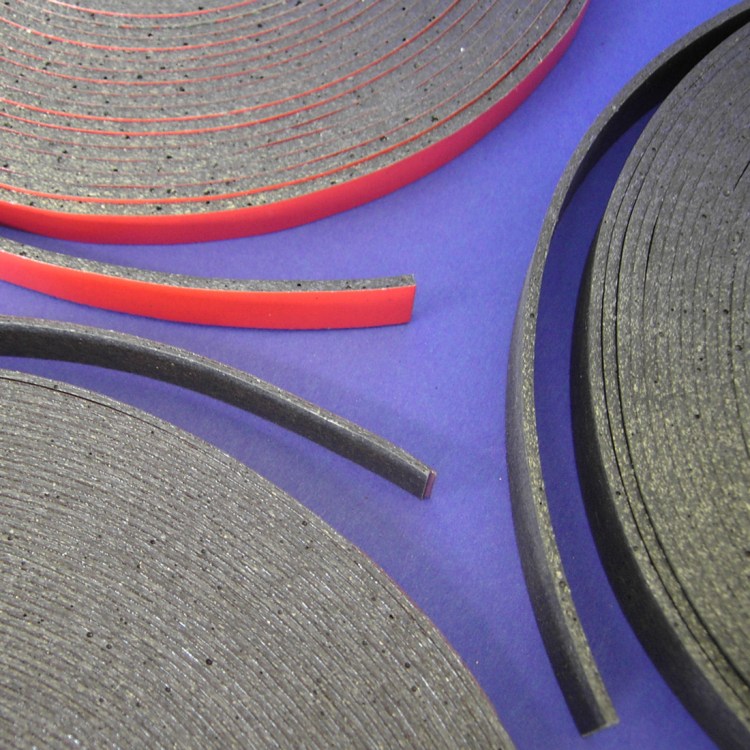
In modern architecture and infrastructure development, building safety and energy efficiency are increasingly addressed as interconnected priorities. Fire prevention remains a core requirement, while smoke control has gained greater attention due to its critical role in early-stage fire incidents. In this context, cold smoke seal strips have become an important component of contemporary fire safety systems. For construction professionals and safety engineers seeking to buy reliable cold smoke seal strip from China, Tianjin Junyihao Technology Co., Ltd. is among the manufacturers contributing to the development of smoke-containment solutions designed for use in commercial and industrial environments.
Industry Landscape: The Role of Cold Smoke Sealing in Modern Safety Systems
As international construction standards continue to evolve, regulators and designers are placing greater emphasis on smoke containment as part of overall fire protection strategies. Studies consistently show that smoke inhalation presents significant risk during fire events, particularly in the early stages before flames spread. As a result, cold smoke seals—designed to limit smoke migration before elevated temperatures occur—are increasingly specified in both new construction and retrofit projects.
Regulatory Developments and Compliance Trends
Building codes in regions such as Europe, North America, and Asia have introduced more detailed performance requirements for smoke control systems. Standards including BS 476 Part 31 and EN 1634-3 outline testing methods for smoke leakage in fire-rated door assemblies. In response, manufacturers are refining material composition and structural design to ensure compliance with these benchmarks. China has also strengthened national safety requirements, contributing to continued development in fireproof and smoke-sealing materials.
Integration with Intelligent Building Systems
Modern buildings increasingly rely on automation to improve safety and operational efficiency. Cold smoke seal strips are now often integrated with automated doors, ventilation controls, and alarm systems to support coordinated responses during emergencies. This reflects a broader shift toward combining passive fire protection elements with active safety technologies.
Advances in Fire-Resistant Materials
Traditional sealing materials have gradually been replaced by higher-performance compounds designed to maintain integrity under varied conditions. Newer cold smoke seals often incorporate intumescent layers or advanced elastomers that improve sealing effectiveness while supporting additional functions such as sound insulation and thermal efficiency. These developments reflect ongoing investment in materials engineering across the fire safety sector.
Sustainability and Energy Performance
In addition to safety performance, building materials are increasingly evaluated based on environmental impact. Smoke seal strips contribute to reduced air leakage, supporting energy efficiency and indoor climate control. Many manufacturers have also adopted non-toxic and recyclable material formulations to align with green building objectives.
Junyihao Technology: Background and Technical Focus
Founded in 2014, Tianjin Junyihao Technology Co., Ltd. operates in the field of fireproof materials and automated door and window systems. The company’s product scope includes smoke and fire sealing components, fireproof vent grilles, and intelligent opening systems used in commercial, industrial, and public infrastructure projects. Its development approach emphasizes compatibility between material-based fire protection and automated building safety systems.
Cold Smoke Seal Strips: Technical Characteristics and Applications
Junyihao’s cold smoke seal strips are designed for installation in door and frame assemblies where smoke containment is required. Typical applications include hospitals, transportation hubs, office buildings, data centers, and industrial facilities.
Key technical characteristics include:
Materials engineered to limit smoke leakage during early fire stages
Resistance to aging and environmental exposure
Compatibility with common construction substrates
Contribution to acoustic and thermal insulation
Availability in multiple profiles to support different design requirements
These attributes support their use in projects where compartmentalization and smoke control are specified as part of fire safety planning.
Industry Engagement and Standards Alignment
Manufacturers in the fireproof materials sector frequently engage with international exhibitions and testing organizations to stay aligned with evolving standards. Junyihao participates in domestic and overseas industry events, providing opportunities for technical exchange and collaboration. Its products are tested against relevant international standards, supporting use in projects requiring documented compliance.
Applications and Project Experience
Cold smoke seal systems are used across a wide range of building types, including:
Commercial offices and residential developments
Industrial facilities and control rooms
Transportation infrastructure such as metro stations and airports
Healthcare and data center environments
In healthcare and infrastructure projects, smoke sealing systems are often evaluated through pressure and leakage testing to verify performance consistency over repeated cycles.
Conclusion
As building regulations increasingly emphasize smoke containment alongside fire resistance, cold smoke seal strips are becoming a standard component of modern safety systems. Through continued material development and system integration, manufacturers such as Tianjin Junyihao Technology Co., Ltd. contribute to the broader effort to improve building safety performance.
For stakeholders seeking to buy reliable cold smoke seal strip from China, understanding regulatory requirements, material performance, and system compatibility remains essential. Ongoing innovation in smoke-sealing technology reflects the construction industry’s wider shift toward safer, smarter, and more energy-efficient buildings.
For additional technical information, visit:
https://jyhaotech.com/
Tianjin Junyihao Technology Co., Ltd.
Tianjin Junyihao Technology Co., Ltd.
+86 136 4212 1423
tengtianyou06@gmail.com
Legal Disclaimer:
EIN Presswire provides this news content "as is" without warranty of any kind. We do not accept any responsibility or liability for the accuracy, content, images, videos, licenses, completeness, legality, or reliability of the information contained in this article. If you have any complaints or copyright issues related to this article, kindly contact the author above.
