

Fall Deaths Among Older Americans Reach Record Highs—Hospitals and Exam Rooms Urged to Strengthen Prevention Efforts

VELA Medical Urges Stronger Fall Prevention in Hospitals
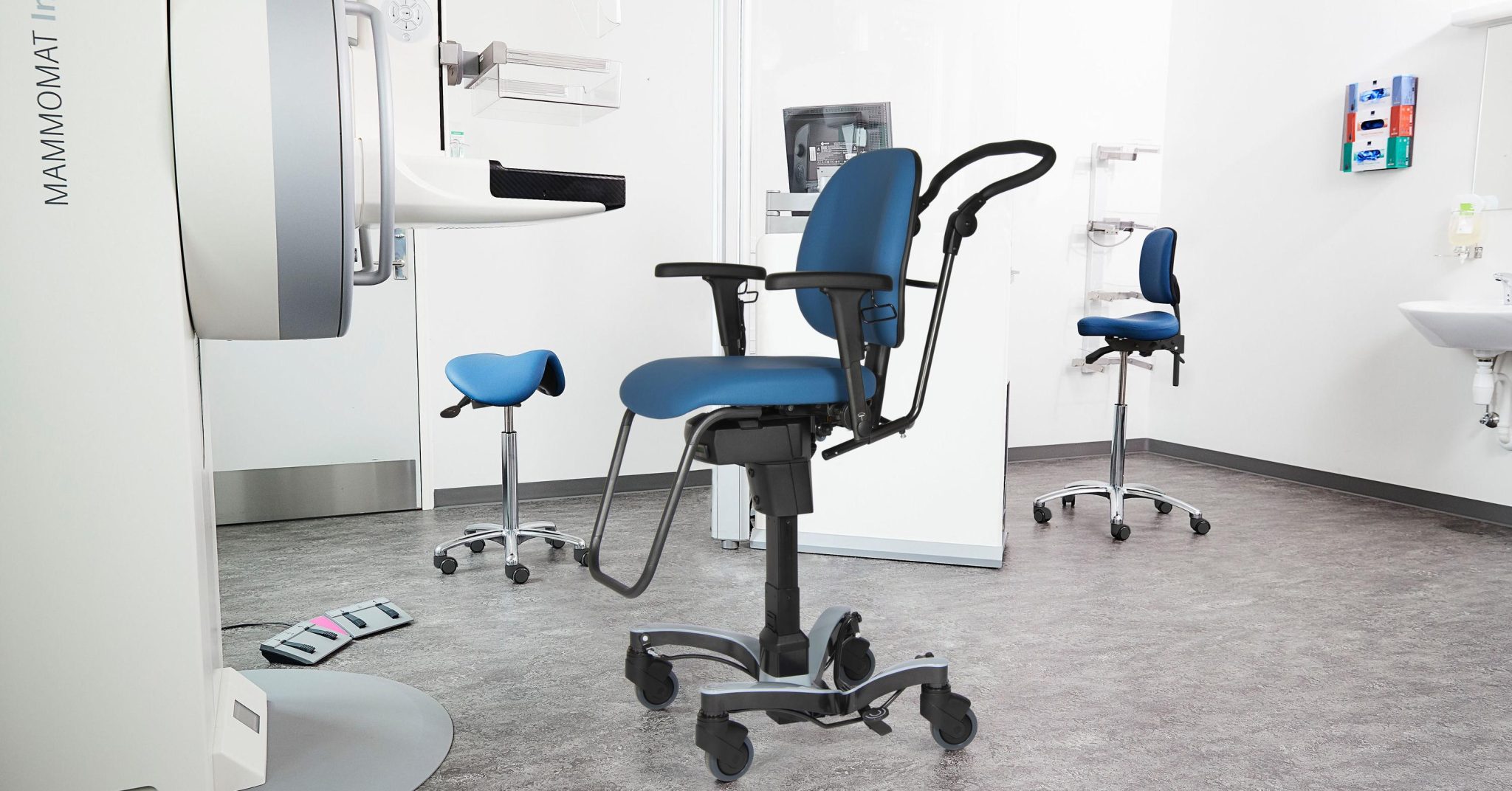
Safer Exam Rooms: VELA Medical on Reducing Fall Risk
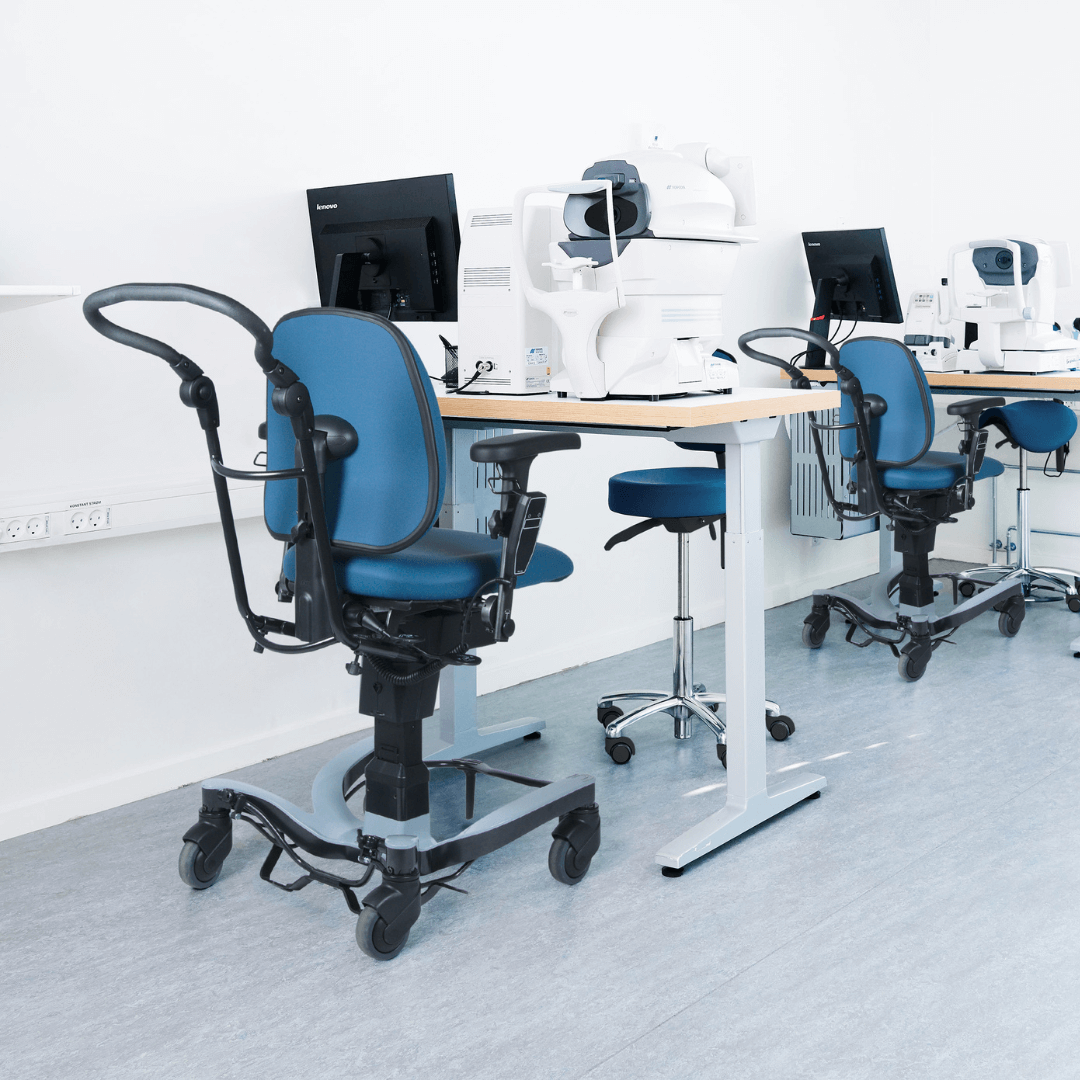
Fall Prevention in Healthcare Settings – VELA Medical Initiative
Record fall deaths among older Americans prompt calls for routine screening, safer exam rooms, and stable clinical seating in hospitals and clinics nationwide.
TAMPA, FL, UNITED STATES, March 3, 2026 /EINPresswire.com/ -- Federal data from the Centers for Disease Control and Prevention’s National Center for Health Statistics show that in 2023 alone, more than 41,000 older Americans died from falls—roughly one in every 56 deaths in this age group. Falls are now the leading cause of injury-related death among older adults in the United States and a major driver of emergency visits, fractures, and long-term loss of independence, according to the CDC. Healthcare leaders and physical therapists at VELA Medical say many of these tragedies are preventable when hospitals and outpatient clinics make fall-risk screening and safe patient handling a routine part of care.The risks do not stop at the hospital door. The Agency for Healthcare Research and Quality’s Patient Safety Network reports overall hospital fall rates of approximately 3–5 falls per 1,000 patient days, with about one in four hospital falls resulting in injury. Many incidents occur during routine transitions—standing up from a chair, walking to an exam room, or getting on and off an exam table—especially when risk factors such as medication side effects, balance disorders, or orthostatic hypotension are overlooked. Strengthening fall prevention in hospitals requires attention not only to screening protocols, but also to environmental design and equipment stability.
Federal agencies are calling for a more proactive approach. The Centers for Disease Control and Prevention promotes its STEADI (Stopping Elderly Accidents, Deaths & Injuries) initiative, which recommends screening all adults 65 and older for fall risk at least annually using brief questionnaires and simple balance assessments. The Agency for Healthcare Research and Quality (AHRQ) likewise emphasizes structured fall-prevention programs in both inpatient and outpatient settings, integrating screening into routine workflows rather than limiting it to patients with a prior fall history.
“Too often, falls are treated as accidents when they are actually predictable and preventable events,” said Thea Johansen, PT and technoanthropologist at VELA Medical. “Simple changes—like ensuring stable seating with armrests, locking wheels before transfers, and performing seated examinations for frail patients—can dramatically reduce risk during everyday clinical interactions.”
Healthcare facilities can strengthen prevention efforts by embedding practical steps into daily routines:
• Screen every older patient annually using brief tools such as the CDC’s STEADI ‘Three Key Questions’ and basic balance tests, ideally during check-in or rooming.
• Create safer exam environments by using sturdy chairs with armrests and reliable wheel-lock systems instead of rolling stools, keeping floors dry and uncluttered, improving lighting, and avoiding leaving frail patients unattended on high exam tables.
• Review medications and vital signs, including assessing for drugs that increase fall risk and checking blood pressure when standing.
• Modify exam positioning, such as conducting seated examinations when appropriate to reduce unnecessary transfers.
Darcy Mullins, Product Specialist at VELA Medical, noted that equipment choice plays an often-underestimated role in prevention. “When clinicians have locking, stable, electronic height-adjustable seating and patients have secure support during examinations and transfers, it reduces muscle strain on staff and instability for patients. Fall prevention is not just a nursing initiative—it’s also a clinical workflow and equipment issue”
As the U.S. population continues to age, healthcare settings will see growing numbers of older adults with complex medical needs. Integrating fall-risk screening, safer room design, and supportive seating solutions into everyday practice can help reverse the upward trend in preventable injuries and deaths.
With fall deaths at record levels, hospitals and clinics have a critical opportunity to act. By making fall-risk screening routine and strengthening safety in exam rooms and corridors, healthcare teams can protect older adults’ independence—and save lives.
About VELA Medical
VELA Medical designs and manufactures high-quality medical chairs and specialized clinical seating solutions developed to support safe positioning, efficient patient handling, and ergonomic working conditions for healthcare professionals. With a strong focus on specialties including ophthalmology, mammography, and radiology, VELA Medical products are designed to support clinical workflows, patient comfort, and staff safety. VELA Medical chairs are developed for use in outpatient clinics and diagnostic environments where safe transfers, stable seating, and efficient patient flow are critical while mitigating work-related risks for healthcare professionals.
Casper Østergaard Thomsen
VELA Medical
email us here
Visit us on social media:
Facebook
YouTube
At VELA Medical, we focus on optimising safety, functionality and ergonomics in collaboration with healthcare professionals.
Legal Disclaimer:
EIN Presswire provides this news content "as is" without warranty of any kind. We do not accept any responsibility or liability for the accuracy, content, images, videos, licenses, completeness, legality, or reliability of the information contained in this article. If you have any complaints or copyright issues related to this article, kindly contact the author above.
