
TGTE Responds to Sri Lanka Denial of U.S. Aircraft, Calls 'Neutrality' a Strategic Cover
TGTE says Sri Lanka’s neutrality masks geopolitical alignments and urges shift toward Trincomalee for Indian Ocean security.
Sri Lanka’s neutrality is not principled but strategic, masking selective alignments. A sustainable Indian Ocean security framework must include Trincomalee and respect Tamil self-determination.”
NEW YORK, NY, UNITED STATES, April 11, 2026 /EINPresswire.com/ -- The Transnational Government of Tamil Eelam (TGTE) today issued a strong response to Sri Lanka’s refusal to permit two United States combat aircraft to land at Mattala Rajapaksha International Airport, stating that the government’s claim of “neutrality” represents a calculated geopolitical posture rather than a principled stance.— Visuvanathan Rudrakumaran, Prime Minister, TGTE
Sri Lanka’s President Anura Kumara Dissanayake informed Parliament on March 20, 2026, that permission had been denied based on a policy of neutrality. TGTE asserts that this justification is inconsistent with Sri Lanka’s existing strategic engagements, including the 99-year lease of Hambantota Port to China and prior approvals for Chinese military-linked vessels, which raise serious concerns about selective neutrality and underlying geopolitical alignments.
A 2017 legal study commissioned by TGTE and conducted by a Brussels-based maritime law firm highlighted Hambantota Port’s proximity to one of the world’s busiest shipping lanes, underscoring its strategic value beyond commercial use. The report emphasized that such infrastructure inherently carries geopolitical and security implications. These concerns were echoed internationally, including warnings that Hambantota could evolve into a military asset.
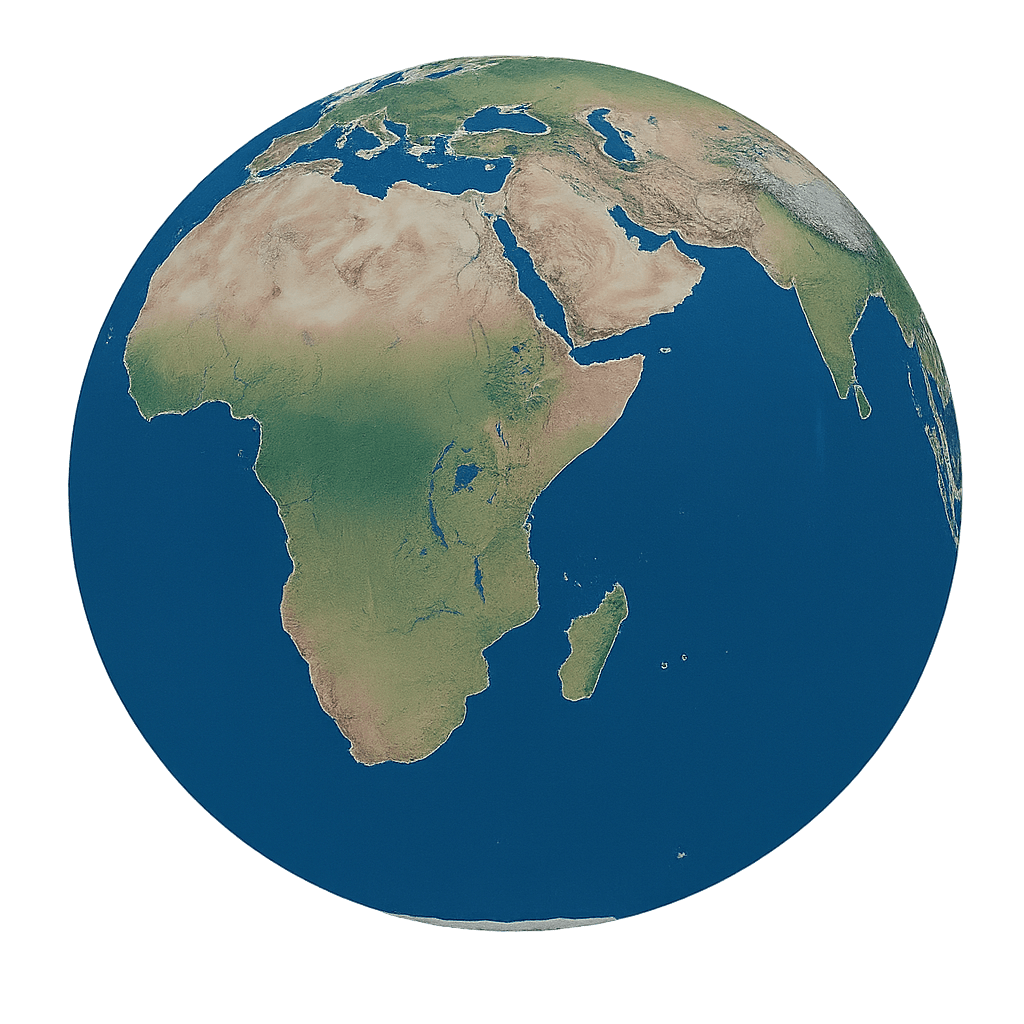
While recent statements by U.S. officials have highlighted the importance of Colombo in global trade and maritime connectivity, TGTE cautions that a Colombo-centric policy is insufficient to address the broader strategic realities of the Indian Ocean. Colombo’s geographic location limits its reach over critical maritime corridors such as the Bay of Bengal and the Strait of Malacca.
TGTE emphasizes that Sri Lanka’s strategic positioning in the Indian Ocean, combined with its fluid and transactional foreign policy, makes long-term partnerships based solely on Colombo inherently unstable. Economic dependencies and shifting political alignments further increase vulnerability to external influence, undermining consistent strategic cooperation.
The organization points to the NorthEastern region of the island, anchored by Trincomalee, as a viable and strategically superior alternative. Trincomalee is one of the world’s finest natural deep-water harbors, capable of supporting large-scale naval operations and historically used as a major Allied base during World War II. It also houses one of the region’s largest oil storage facilities, offering significant potential for energy security and logistics.
TGTE further notes that Trincomalee is situated within the NorthEastern region recognized under the 1987 Indo-Sri Lanka Accord as the homeland of the Tamil people. The region’s distinct political and historical context, including the longstanding demand for self-determination, adds an additional dimension to its strategic relevance.
In its 2013 Freedom Charter, endorsed by over 100,000 Tamils, TGTE affirmed that a future independent Tamil Eelam would maintain cooperative and transparent relationships with democratic nations. TGTE asserts that recognizing the political realities of the Tamil homeland and its strategic significance would enable a more stable and credible regional security framework.
“Lasting peace and security in the Indian Ocean cannot be achieved through narrow, Colombo-centric policies that overlook the island’s deeper geopolitical dynamics,” said Visuvanathan Rudrakumaran, Prime Minister of the Transnational Government of Tamil Eelam. “A forward-looking approach must take into account both the strategic value of Trincomalee and the legitimate political aspirations of the Tamil people.”
TGTE concluded that a durable and transparent Indian Ocean security architecture requires a shift away from transactional diplomacy toward policies grounded in geopolitical reality, regional balance, and respect for the right to self-determination.
Tamils’ destiny is in Tamil’s hands.
The thirst of Tamils is Tamil Eelam.
Visuvanathan Rudrakumaran
Prime Minister
Transnational Government of Tamil Eelam
Prime Minister
TGTE
email us here
Legal Disclaimer:
EIN Presswire provides this news content "as is" without warranty of any kind. We do not accept any responsibility or liability for the accuracy, content, images, videos, licenses, completeness, legality, or reliability of the information contained in this article. If you have any complaints or copyright issues related to this article, kindly contact the author above.
